
Surgical robot: The future of cancer care
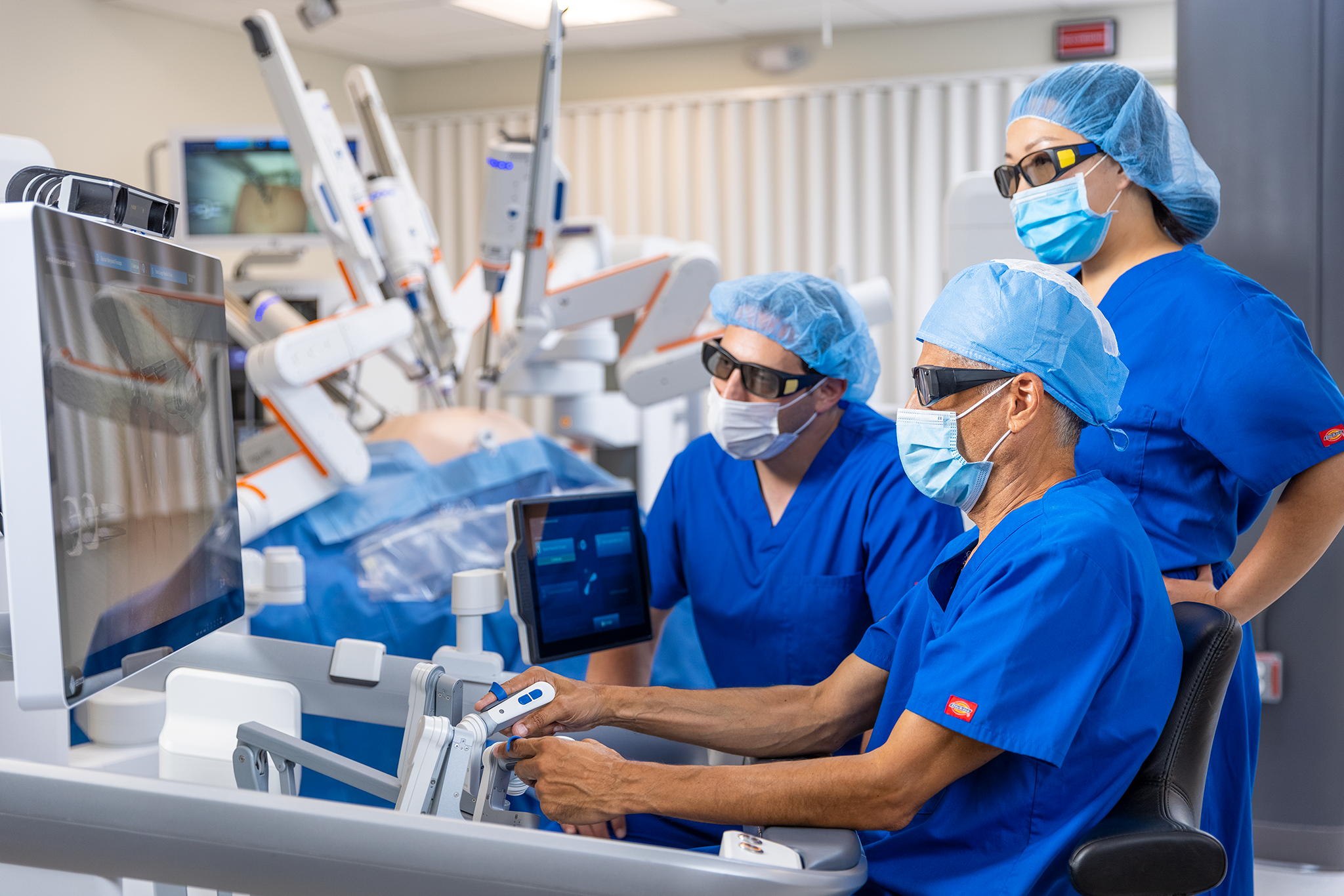
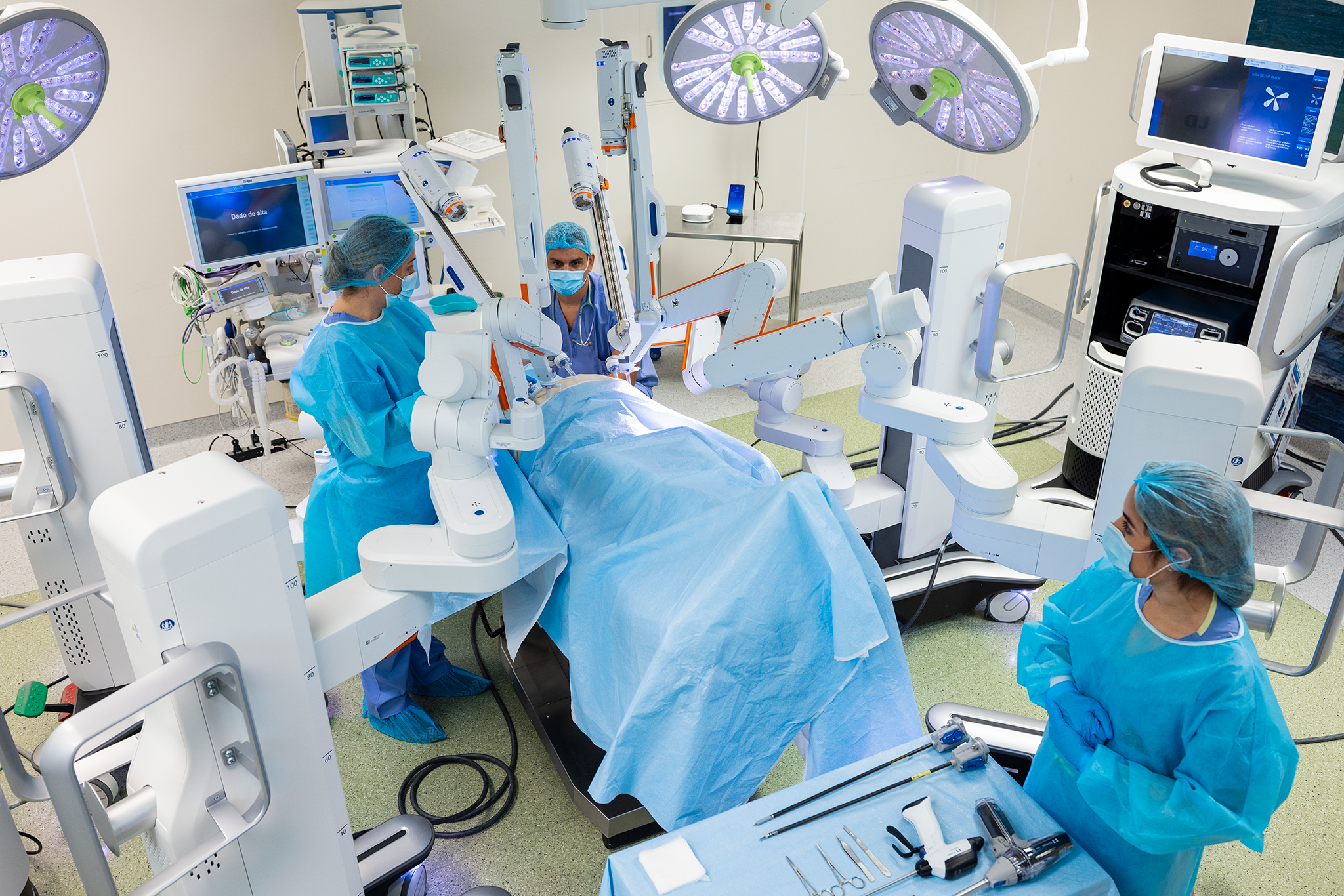
Thanks to an incredible community effort, we’ve secured the funding for a world-class surgical robot that will transform surgery and cancer care for both our region and the central North Island.
Operated by skilled surgeons, this cutting-edge technology makes surgery safer, recovery faster, and lets people get back to their lives sooner. It’s proven to improve surgical outcomes and has been used more than 14 million times.
This tool is also becoming a benchmark for talented surgeons - by having one, we can help Palmerston North Regional Hospital attract and retain great surgical staff, strengthening our region’s healthcare workforce.
While they’re often used in New Zealand’s private health sector, until now there has been only one surgical robot available in our public system, based up in Auckland. We want these benefits for our whole community, not just those who can afford private care. With funding now secured, Palmerston North Regional Hospital will become one of the first public hospitals in the country to get one.
Safer surgeries & better cancer care
This project is clinician-led, recommended to the Foundation by the top medical team at Palmerston North Regional Hospital. It’s a way to improve surgical outcomes, shorten time spent in hospital, and reduce complications for patients. All of this will have a major ripple effect on our community, especially for the hundreds of patients who travel in for healthcare.
Right now, Palmerston North Regional Hospital’s cancer services support a massive population of 580,000 people. This includes patients from Palmerston North, Manawatū, Ōtaki, and Tararua, but also Whanganui, Wairarapa, Taranaki, and Hawke’s Bay. A surgical robot will have an enormous impact on the countless cancer surgeries happening every year.
A surgical robot is outside the scope of government funding, so Palmerston North Regional Hospital has turned to the Foundation for support. Thanks to our generous community, that support has now been secured.
Why do we need it?
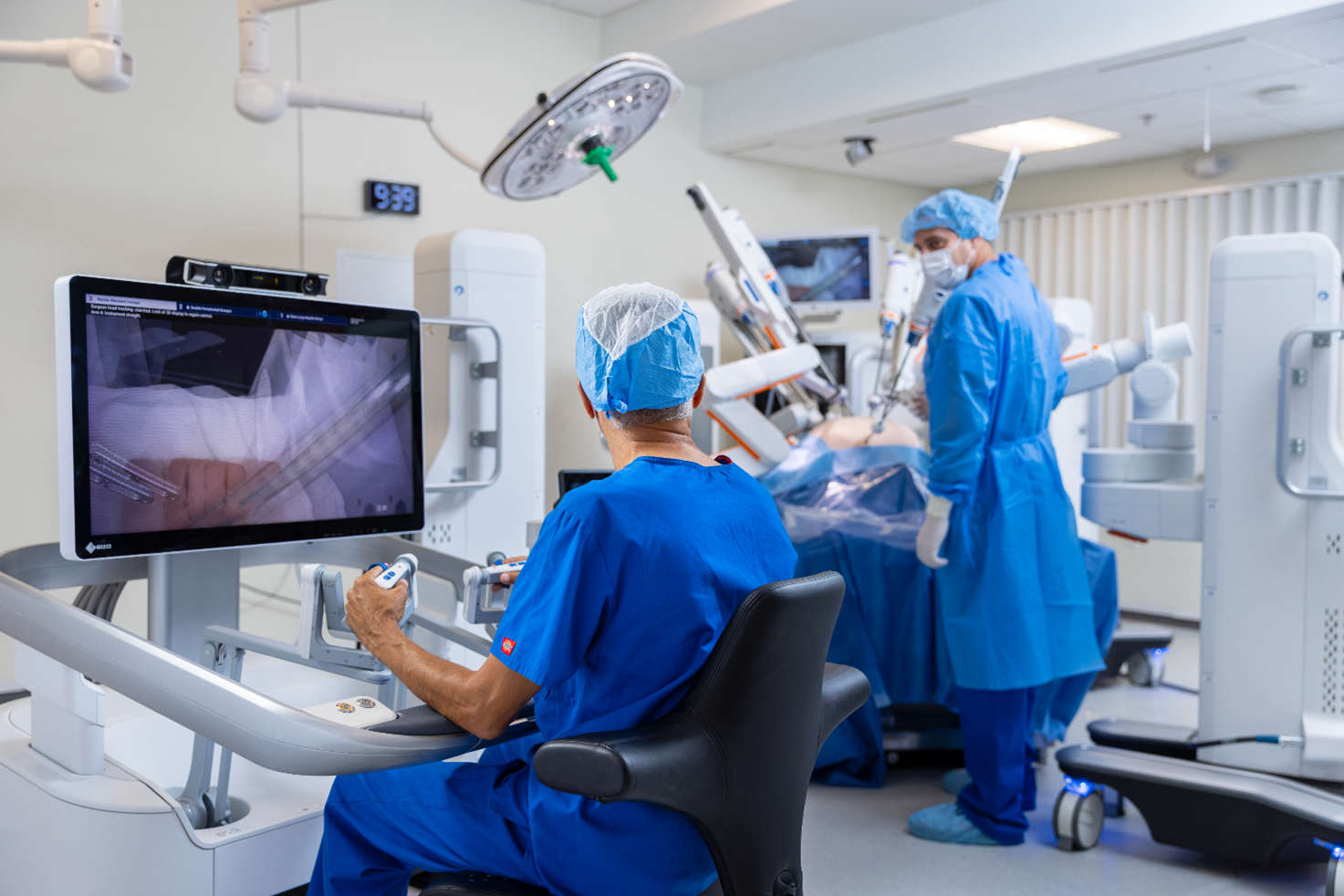
Robot-assisted surgery is much less invasive than other methods. The benefits of it include:
More precise surgery with smaller cuts: Patients often recover faster, with fewer complications. This includes a lower chance that they’ll need blood transfusions, ICU care, or follow-up surgery.
Quicker healing with fewer wound infections: This means people spend less time in hospital, and can return to their whānau and daily life sooner. It lessens the impact on their finances, mental health, and wellbeing.
Supports a wider range of patients: It can be used on patients who may not be suitable for traditional surgical methods, from tiny infants to elderly patients. It will reduce inequalities in who can access treatment.
Faster surgery and patient care: It reduces operation time, frees up hospital beds, and, over time, is likely to reduce wait-list time due to fewer follow-up surgeries being needed.
Skilled staffing: It will improve recruitment and retention of staff, reduce training time for surgeons, and lower the chances of surgeon error.
Surgical robots can help with a wide range of procedures, including:
Urology: Cystectomy (removal of the bladder), prostatectomy (removal of the prostate), and partial or radical nephrectomy (removal of the kidney) - all of which are usually for cancer treatments.
General Surgery: Bowel operations, including cancer, spleen and gall bladder removal, and repairing different types of hernias.
Gynaecology: Hysterectomy, removal of tubes and ovaries, treating ovarian cysts, endometriosis surgery, and some procedures for fertility and incontinence issues.
Ear, Nose and Throat (ENT): Surgery to combat snoring, treatment of head and neck cancers.
Surgical skill meets robotic precision
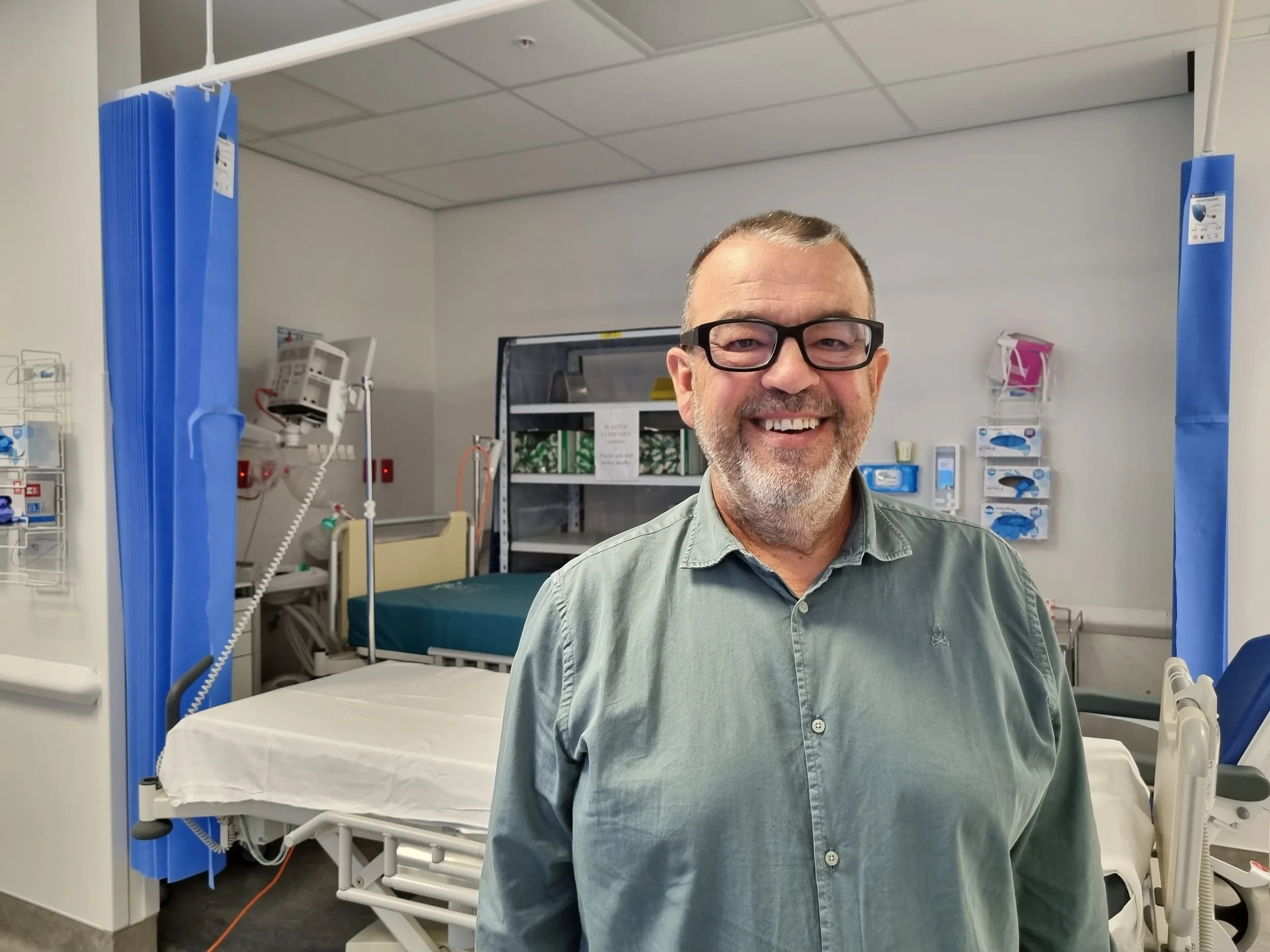
What Dr Alberto Ramirez, Clinical Director of Surgical Services, has to say.
Surgical robots allow us to perform complex procedures with so much more precision. It magnifies what we’re seeing, highlights blood vessels and shows everything in a 3D view. It has no tremor, can do minuscule cuts and rotate tools 360 degrees, which human wrists can’t. The surgeon completely controls the robot; it doesn’t make its own decisions. It’s a tool, but like using tweezers instead of BBQ tongs, it's absolutely next level.
Our health sector is facing real challenges in recruiting surgeons, particularly in the regions. Having this tool will give a big edge in helping attract and retain great surgeons in Manawatū. We need to think long-term - right now, our country is seeing a massive drain with talented surgeons heading to Australia. Many of them have said that the lack of access to surgical robots in New Zealand is a major reason why.
But most importantly, we need this because major surgery has a big impact on a patient’s life and their wider whānau. Private care isn’t affordable for most people, so we need to make this accessible for our whole community. They deserve it, and it’s a way we can help so many different people.
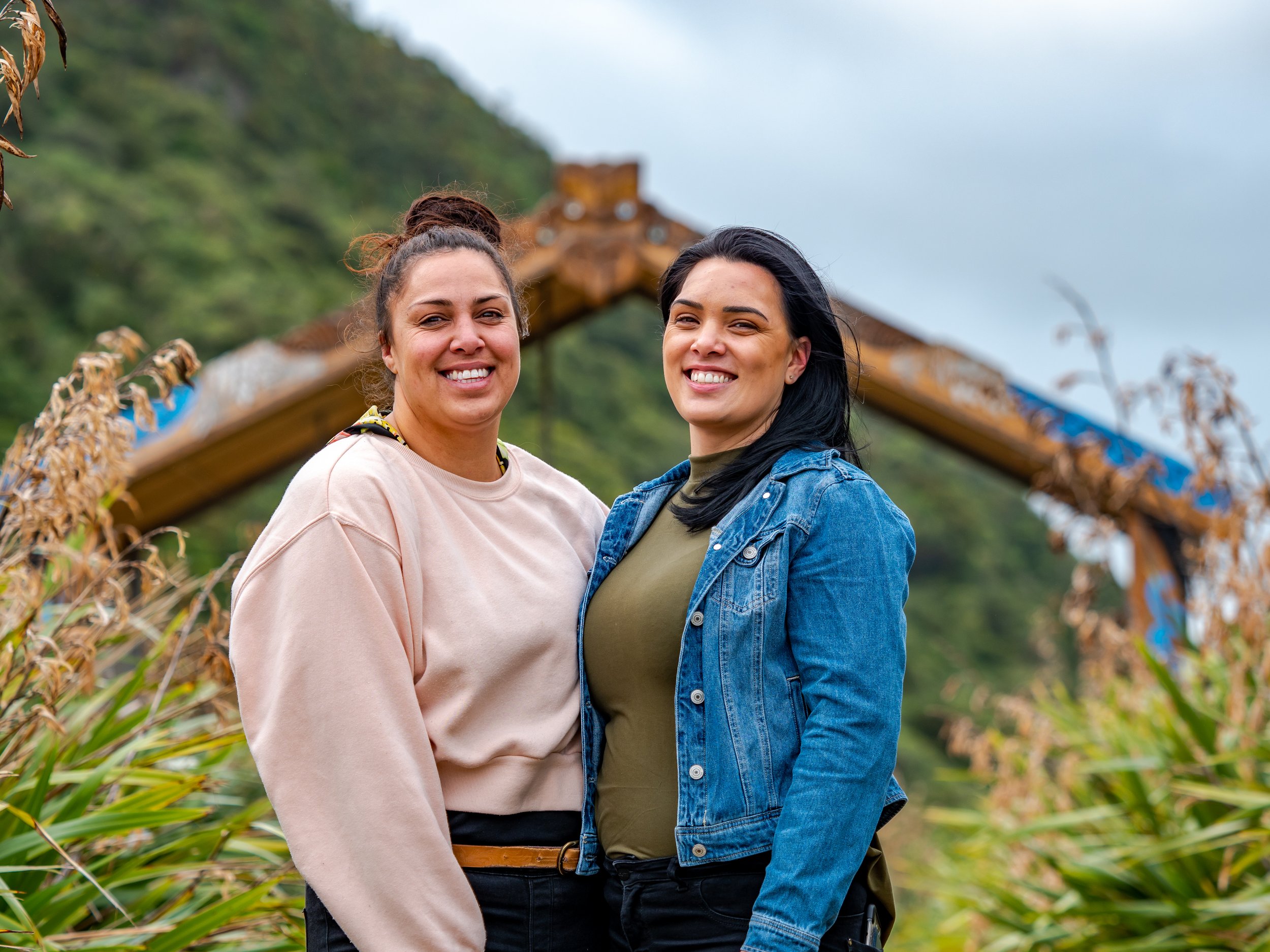
Changing lives together
In just six months, our community came together to raise the $2.5 million plus GST needed for a surgical robot at Palmerston North Regional Hospital. Launched in late February 2026, this ambitious goal became reality thanks to generous local families, businesses, grants, community events and grassroots fundraisers.
"This is a community achievement, plain and simple," says Foundation Chair Brendan Duffy. "It's the result of many caring people and organisations, from incredibly generous local families through to grants, community events and sunflower fundraisers. Every single dollar got us here, and we're so grateful to everyone who took part. This is what our region can do when it decides something matters."
Among those who helped turn the surgical robot from a goal into a reality are Paul and Christine Frecklington, Vivienne and Gerard Gillespie, and Sir Pat Higgins.
Paul Frecklington has spent his entire life on the same Manawatū land his family have farmed for over a century. Now in their retirement, Paul and wife Christine have made their most significant gift to the community - a major donation towards the surgical robot. Prompted by Paul’s own experiences with bowel and knee surgery, they know how important the surgical robot project is, and believe that rural communities shouldn't have to go without access to life-saving tools. "Everyone thinks those things happen to everyone else and never yourself," Paul reflects.
Vivienne and Gerard Gillespie, co-founder of EziBuy, have called Palmerston North home for decades and were also major contributors. "Something like this means we're looking after this community, and that looks after the region's future," says Gerard.
Proud backers of the project included the Lion Foundation, Palmerston North Hospital Regional Cancer Treatment Trust, Mainland Foundation, Te Awa Foundation, Awapuni and Palmerston North Rotary Clubs, Levin Waiopehu Lions Club, Rotary Club of Levin, Altrusa International of Levin, TailoredNZ, Nodero, Max Tarr Group, Mitre 10 MEGA Palmerston North, Gaye Fell, Selwyn Yorke and Isabelle Vanderkolk, Scott Bruce, and many others.
What’s next
With the funding secured, Health NZ MidCentral is now underway with the formal procurement process, and has confirmed the surgical robot will be a permanent installation at Palmerston North Regional Hospital.
Support future projects
Having reached this goal much earlier than expected, the Foundation is already working with the Hospital's clinical leadership on what comes next. One priority is the Friends of the Emergency Department Programme, a volunteer service St John has stepped back from. We're funding $75,000 to keep this crucial support running for the next three years.
Whenever you donate to us, your funds go towards making projects happen. Big and small donations alike create long-term solutions for our communities.